Great Shipping Rates
Discreet & Secure Packaging

What Are Kinks? A Beginner’s Guide to Exploring Desire for Better, More Satisfying Sex.
At Ann Summers, we know that intimacy doesn’t begin with touch, but with curiosity. With conversation. With permission, trust and the confidence to explore what truly turns you on.
That’s why we partnered with Sophie Cohen, Kink Expert at The Mandrake, to unpack one of the most misunderstood, and most powerful, areas of modern intimacy: kink.
In this piece, Sophie breaks down what kink is (and what it isn’t), why so many of us are drawn to it, and how exploring desire thoughtfully and consensually can lead to deeper connection, better communication and more satisfying sex. Because when you understand your desires and how to express them, foreplay stops being a moment, and becomes a mindset.
After all, life really is foreplay.
How to Have Better, More Satisfying Kink Experiences
Kink is having a moment, and it’s about time. Thanks to more open conversations around sexuality, a growing number of people are curious about exploring their desires, but many still feel held back by one thing: the fear of being judged. As someone who has been in the kink space for the last 20+ years, I can tell you that there is no such thing as ‘normal’ sex, and most partners who are invested in you and your desires will be genuinely excited to explore your fantasies. That’s not to say you’ll always align 100%, but sex and kink are about playfulness and discovery, which is the foundation of any healthy relationship.
Whether you’re a seasoned explorer or someone who has only quietly wondered ‘what if?’: know this, curiosity is not only normal, but also one of the most powerful tools you have for a more fulfilling sex life.
Here’s how to begin, or deepen, your kink journey with confidence, care, and a whole lot of pleasure.
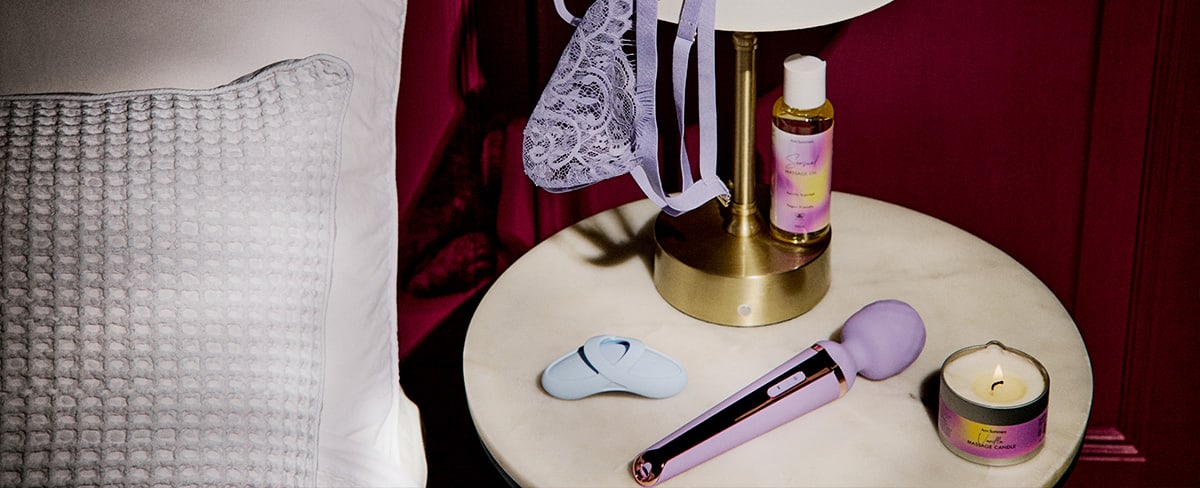
First, What Even Is Kink?
One of the biggest misconceptions is that kink means something extreme or hardcore. It doesn’t. I think of kink simply as anything that heightens your play, a shift in dynamic, a new sensation, a fantasy brought to life. It’s a spectrum, and it looks completely different for everyone. Research backs this up too: in studies of people who incorporate kink into their relationships, 97% report positive emotions and greater erotic satisfaction. Couples who explore kink together consistently report feeling more connected, more trusting, and more intimate.
Start With Yourself
Before you can communicate your desires to anyone else, you need to know what they are. Take time to explore your own pleasure, solo play, fantasy, and even journaling your thoughts can be genuinely revelatory. There are no wrong answers here. A fantasy doesn’t need to be acted upon to be valid; it simply shows you what excites you.
While some people find porn a useful starting point, it isn’t for everyone, and for many it can feel more intimidating than inspiring. That’s why I recommend alternatives like audio erotica, erotic art, or literature as gentler, more imaginative ways to unlock desires you may not have considered. Two books I love for this: My Secret Garden by Nancy Friday, and the modern counterpart Want by Gillian Anderson, both draw on anonymous submissions of women’s sexual fantasies, and are a wonderful reminder that your desires are far less unusual than you might think.
Communication Is the Real Foreplay
In kink, communication isn’t a mood-killer, it’s what makes everything hotter. Talking about what you want, what you’re curious about, and what feels off-limits creates a foundation of trust that allows both partners to truly let go.
But here’s something important: many people find it genuinely difficult to talk about desire in the moment, or even face to face. That’s completely normal. Think about how you best navigate other challenging conversations with your partner and apply that same care here. Some people find it easier to write things down, exchange voice notes, or share a fantasy over text. The format matters far less than creating a space where both of you feel safe to be honest.
It’s also worth saying: it’s completely okay if one person’s fantasy is another person’s hard limit, their absolute no-go zone. Kink isn’t about pressure; it’s about finding the place where your desires happily meet. That creative middle ground is often where the most exciting discoveries are made.
The Magic of a Safe Word
Establishing a safe word is non-negotiable, not because kink is dangerous, but because it’s empowering. A classic choice is Red to stop, but your safe word can be absolutely anything, as long as you both know what it means. Mercy, pineapple, your cat’s name, it really doesn’t matter.
A safe word not only allows the person in the submissive or following role to stop play at any time, it also frees the dominant or leading partner to explore more confidently, knowing that silence means enjoyment. It’s a supportive structure that works beautifully for both sides.

Start Slow, Build Gradually
You don’t need to leap into the deep end. Light bondage, a silk tie as a blindfold, a pair of soft restraints, can be a wonderfully playful entry point that shifts dynamics without feeling overwhelming. Sensation play, like the tease of a soft tickler or the warmth of massage candle wax, is another beautifully accessible starting point. The key is to treat each new experience as an exploration rather than a performance. There’s no destination to reach, the discovery is the point.
Let Go of the Stigma
Many people carry shame around their desires, shaped by outdated messaging that told them certain pleasures were ‘too much’ or ‘not normal’. The reality is that kink is extraordinarily diverse, practised by people from all walks of life, and is a deeply human way of exploring power, trust, sensation, and intimacy.
Reframing how you think about your desires, from something to be ashamed of, to something worth understanding and celebrating, is genuinely transformative. You deserve pleasure that reflects who you actually are. As the brilliant sex therapist Esther Perel puts it: sex is not something you do, it’s somewhere you go. Allow yourself to enjoy the journey, and remember, life is for play.

Don’t Skip the Aftercare
What happens after play matters just as much as the play itself. Making space to reconnect with your partner once a scene is over, what the kink community calls aftercare, is an essential part of the experience, and one that’s too often overlooked.
Aftercare can look completely different from couple to couple: a long cuddle, slow kisses, talking through what you enjoyed, a quiet cup of tea, or simply lying together in comfortable silence before you’re ready to speak. Some people need closeness and reassurance immediately; others need a little space to process before they can connect. Neither is wrong, but it’s important to know which you each need, and to ask.

Sharing what you loved about a session is particularly powerful. Affirming your partner’s desires, telling them what felt good, what excited you, what you’d love to explore again, helps build confidence for future play and can gently dissolve any lingering shame either of you might feel about having shared something new and vulnerable. For many people, kink involves revealing a part of themselves they’ve never shown another person before.
The Bottom Line
Better kink experiences don’t come from having the most equipment or knowing every technique. They come from self-awareness, honest communication, and a genuine willingness to be curious, about yourself and your partner. Kink is truly creative, and a wonderful way to escape into yourself or into another person. Start there, and the rest will follow.
-

Kinky Sex ideas Guide
So, what is kinky sex? Dressing up, tying up, trying something new, it’s all part of kinky sex. For Kinky sex ideas read our kinky sex guide now.
-

Talking About Sex with Your Partner
Having conversations about sex with your partner can feel like a difficult thing to do but could hold the key to an amazing sex life. Find out how to approach it here.
-

Pheromone Perfumes To Make Them Obsessed
Skip the online love spells, one spritz of pheromone perfume and they’ll be obsessed with you. Discover our favourite scents online with Ann Summers.
Sign up to emails and get
15% OFF
your first order
your first order
Stay in the loop on all things Ann Summers:
Updates on new arrivals, inspiration, offers and events!
*Discount only available on full price products and 5% off discounted products
By inputting your information, you agree that we can use it in accordance with our Privacy Policy. You are able to unsubscribe from marketing at any time. By proceeding you agree to our Terms and Conditions.
You must be over 18 to join our mailing list.
By inputting your information, you agree that we can use it in accordance with our Privacy Policy. You are able to unsubscribe from marketing at any time. By proceeding you agree to our Terms and Conditions.
You must be over 18 to join our mailing list.
Sign up to emails and get up to 15% OFF your first order

*15% Discount only available on full price products and 5% off discounted products
Stay in the loop on all things Ann Summers: Updates on new arrivals, inspiration, offers and events!
By inputting your information, you agree that we can use it in accordance with our Privacy Policy. You are able to unsubscribe from marketing at any time. By proceeding you agree to our Terms and Conditions.
You must be over 18 to join our mailing list.
Our Benefits
Free Delivery over £50
Spend £50 or more and enjoy free UK Standard Delivery (arrives in 3 working days).
Prefer something faster or more flexible? Next Day, Click & Collect & more at checkout.
Buy Now, Pay Later
Buy Now & Pay Later with our payment partners Klarna, Paypal, and Clearpay at checkout. Get the product you want, when you want it.
Free Returns
Changed your mind? Return eligible items free of charge within 28 days.
Discreet Delivery
Your order will always arrive in plain, unbranded packaging from “AS Ltd”.
Remove Product?
Are you sure you want to remove: