Great Shipping Rates
Discreet & Secure Packaging

What Are Love Languages? And What Do They Have To Do With Foreplay?
At Ann Summers, we believe foreplay doesn't start in the bedroom. It starts in the way we speak, connect, listen and show up for one another.
That's why, at our recent Life is Foreplay event, we invited relationship expert Charlene Douglas to explore one of the most powerful tools for deeper intimacy: love languages.
We asked Charlene to explain what are love languages and how can understanding yours transform your relationship and your sex life.
What Are Love Languages? And What Do They Have To Do With Foreplay?
By Charlene Douglas, Love Language Expert & Married at First Sight UK's Intimacy Coach
What Are Love Languages?
The concept of love languages comes from Dr Gary Chapman, from his bestselling book The 5 Love Languages. The theory suggests that we all have preferred ways of giving and receiving love, and when those needs aren't met, we can feel disconnected, misunderstood or unloved.
Understanding your love language helps you recognise:
- 1. What makes you feel emotionally secure
- 2. How you instinctively show love to others
- 3. Why certain relationship frustrations repeat
- 4. And crucially, how to build stronger intimacy
The Five Love Languages Explained
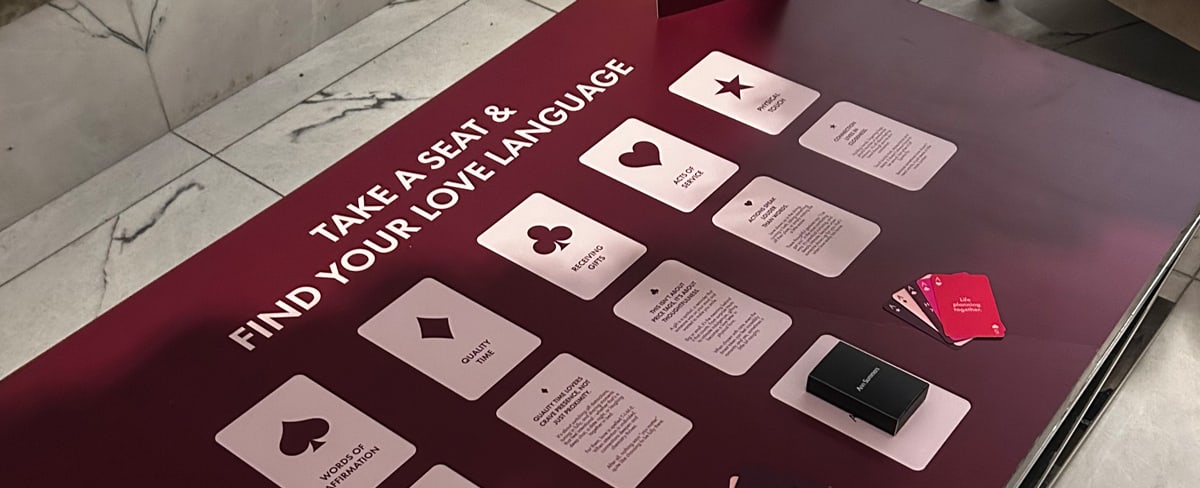
1. Words of Affirmation
If this is your love language, verbal reassurance and appreciation mean everything. Compliments, encouragement and affectionate words help you feel chosen and desired. When appreciation is spoken out loud, it builds confidence, connection and intimacy, proving that sometimes the sexiest thing you can say is simply “I see you”.
- Foreplay connection: Whispered reassurance, or simply hearing “I want you” can be deeply arousing. Anticipation often begins with language. You can choose to take it further with dirty talk or find ways throughout the day to simply affirm your love, for example: a ‘you've got this' when your partner is stressed may be all they may need.
2. Physical Touch
For some, connection is rooted in physical closeness i.e. holding hands, hugging, stroking or playful contact throughout the day. Touch builds trust, reassurance and desire. It doesn't always have to be sexual.
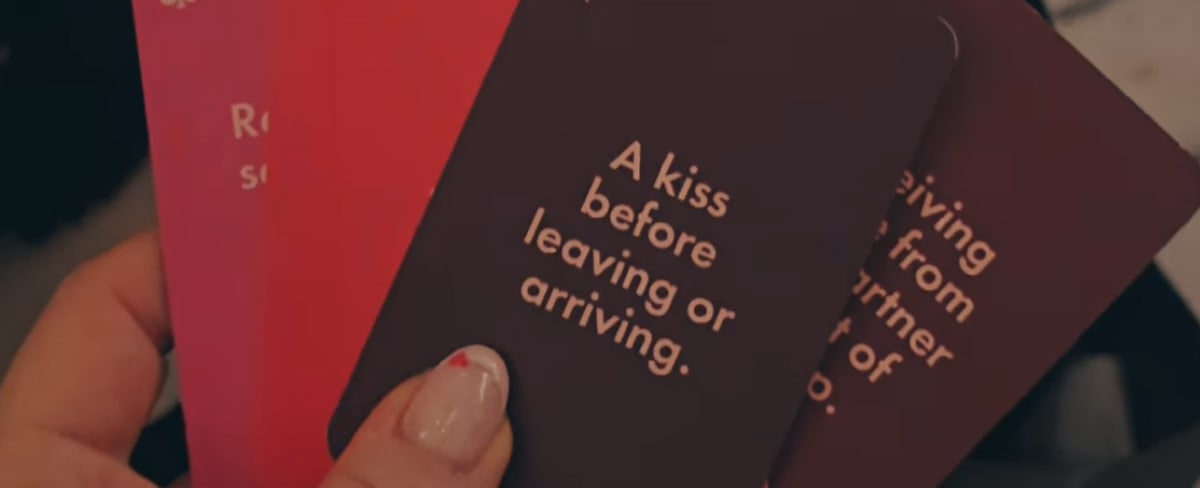
- Foreplay connection: A kiss before leaving or arrive from work. An intimate hug in the kitchen. A hand on the lower back. A knee over theirs on the sofa. A brush of skin before bed. Physical touch builds tension long before intimacy escalates.
3. Acts of Service
This language is about thoughtful action. Making a coffee, running a bath, taking something off your partner's plate. All these gestures say “I care” in the most comforting way. It's practical, nurturing, and deeply intimate.
- Foreplay connection: You might be surprised how doing the washing up or cleaning the kitchen so your partner doesn't have to can naturally lead to intimacy. Choose a chore they usually find tedious and take care of it without being asked. To make it more romantic, run a bath, light some candles and create a relaxing atmosphere. When you handle the details, your partner can fully unwind and relax into pleasure. Service can be incredibly seductive.
4. Receiving Gifts
This isn't about price tags, it's about thoughtfulness. A small token that says “I was thinking of you” carries emotional weight. Big or small, it's the meaning behind it that counts. From surprise treats to intimate indulgences, gifting becomes a love letter in physical form.
- Foreplay connection: Simply, the ‘saw this and thought of you' gift can be the most rewarding. Surprising your partner with lingerie, sex-toys-alla toy or a love letter builds anticipation. The gift becomes part of the build-up.
5. Quality Time
Quality time lovers crave presence, not proximity. For this love language, undivided attention matters most. It's about switching off distractions, tuning in fully, and sharing moments that feel intentional – whether that's a deep conversation, date night, or laughing together.
- Foreplay connection: Quality time doesn't have to mean grand plans or expensive gestures, it can be as simple as a night in together, watching a film with your phones switched off. It might look like a dedicated date night, uninterrupted conversation, lingering eye contact across the table, or even setting aside intentional time to be physically intimate. When you're fully present with each other, emotional connection naturally deepens and that emotional closeness often makes physical intimacy even more meaningful.
Why Love Languages Matter in Intimacy
One of the most common relationship challenges is this: we tend to give love in the way we prefer to receive it.
If your primary love language is Physical Touch, you might initiate sex, but if your partner's is Words of Affirmation, they may be craving verbal reassurance first.
When couples understand each other's emotional needs, foreplay becomes more intentional. It stops being a single act and becomes a shared language.
And that's where real connection lives.
Foreplay Is Emotional, Too
Foreplay isn't just physical. It's:
- A day spent exploring together
- Looking after you when you’re sick
- Receiving an unexpected compliment
- Running their fingers through your hair
- Tickets to see their favourite band
When we understand our own love language, and our partner’s, we unlock new ways to connect, communicate and experience pleasure.
How To Discover Your Love Language
Ask yourself:
- 1. When do I feel most loved?
- 2. What do I complain about most in relationships?
- 3. How do I naturally show affection?
These clues often point to your primary love language.
Even better - talk about it together! Those conversations alone can spark a deeper level of intimacy.

A word from Charlene Douglas, Love Language Expert & Married at First Sight UK’s Intimacy Coach
I had the pleasure of joining the wonderful team at Ann Summers to celebrate all things love, pleasure and intimacy at their Life is Foreplay event. It was a truly delightful afternoon, attended by an incredible group of guests who were open, curious and ready to explore connection in a refreshingly honest way.
I hosted the Love Language corner, which quickly became a warm and thoughtful space. I met so many wonderful people eager to discover their primary love language and explore what it reveals about them in their relationships. There is something incredibly powerful about watching someone have a small moment of recognition and realisation when a pattern in their relationships suddenly clicks.
Love languages help us to understand how we prefer to receive love and how we might instinctively show love to our partners. Guests were genuinely fascinated by how accurately their primary love language reflected their emotional needs. Many told me they couldn’t wait to go home and talk to their partners about what they had discovered.
Events like this create a safe space for people to talk openly about pleasure, intimacy and love - topics that are so often whispered about rather than openly discussed confidently. When we normalise these conversations, we remove shame and replace it with understanding.
-

Tantric Sex Guide
Connect through sexual intimacy on a deeper level, using mindfulness & spiritual energy, tantric sex can lead to orgasms on another level. Read more.
-

Mutual Masturbation
What is mutual masturbation and how does it work? Learn how to watch, touch and tease your way to better sex at Ann Summers.
-

How To Make Sex Better
Discover how to put the spark back into your love life and turn up the heat with the Ann Summers guide on how to make sex better in 6 easy steps.
Sign up for Emails
Get 20% off your first order.
Plus the latest launches, offers and exclusives!
*20% Discount only available on full price products and 5% off discounted products.
By inputting your information, you agree that we can use it in accordance with our Privacy Policy. You are able to unsubscribe from marketing at any time. By proceeding you agree to our Terms and Conditions.
You must be over 18 to join our mailing list.

Sign up to emails and get up to 20% off your first order
Stay in the loop with our latest launches, offers and exclusives!
*20% Discount only available on full price products and 5% off discounted products
By inputting your information, you agree that we can use it in accordance with our Privacy Policy. You are able to unsubscribe from marketing at any time. By proceeding you agree to our Terms and Conditions.
You must be over 18 to join our mailing list.
Our Benefits
Free Delivery over £50
Spend £50 or more and enjoy free UK Standard Delivery (arrives in 3 working days).
Prefer something faster or more flexible? Next Day, Click & Collect & more at checkout.
Buy Now, Pay Later
Buy Now & Pay Later with our payment partners Klarna, Paypal, and Clearpay at checkout. Get the product you want, when you want it.
Free Returns
Changed your mind? Return eligible items free of charge within 28 days.
Discreet Delivery
Your order will always arrive in plain, unbranded packaging from “AS Ltd”.
Remove Product?
Are you sure you want to remove:
?